
What Restorative Justice Taught Me About Leadership
Bourassa has faced criticism for actions taken during her last term on the tribal council. This is her statement about her record there.
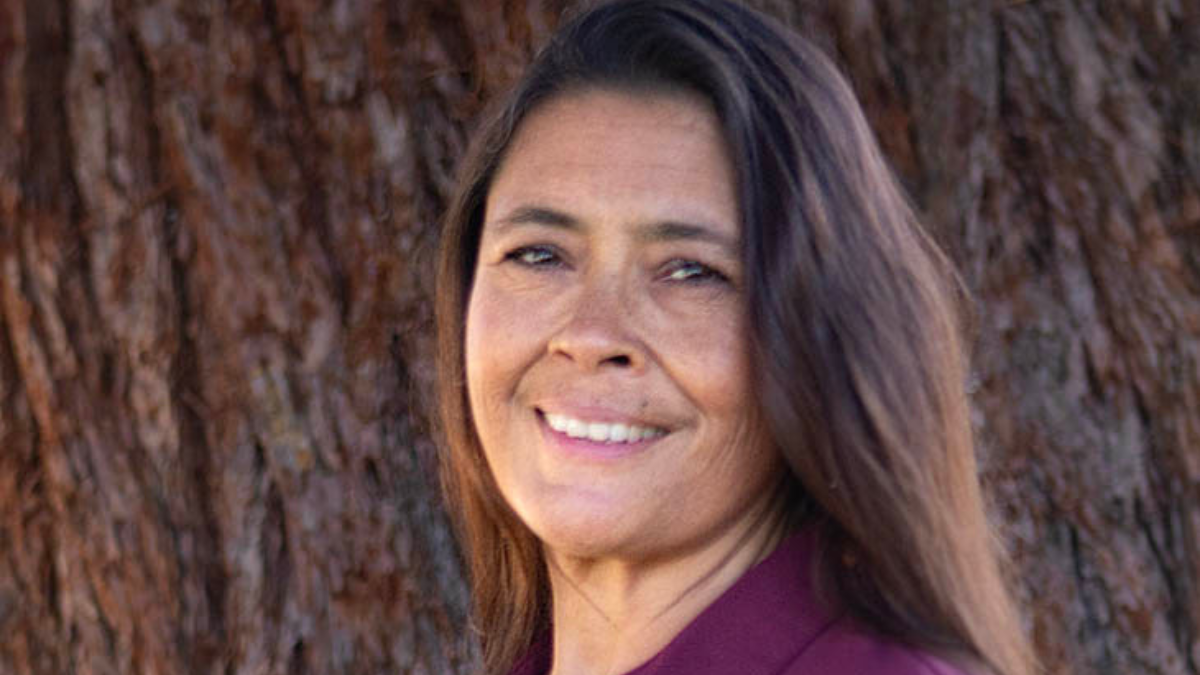
By Buffey Wright Bourassa
Throughout my years of public service, I’ve learned that leadership isn’t about having all the answers or always getting everything right. It’s about showing up, listening, making difficult decisions, and learning from experience. It also means recognizing that people can see the same issue differently and still care deeply about their community.
I grew up on the Pinoleville Reservation and in low-income housing in Ukiah. Those experiences shaped how I understand the challenges families face and the importance of access to housing, education, healthcare, and opportunity. They also shaped my commitment to serving the communities that helped raise me.
I served three terms on the Sherwood Valley Rancheria Tribal Council, including as Tribal Secretary. During that time, I worked with other Tribal leaders and community members to develop policies and improve access to resources. I drafted the Tribe’s first housing policy with the goal of establishing a framework for rental assistance, emergency housing assistance, home rehabilitation, and first-time homebuyer loans. I understood from personal experience what stable housing can mean for a family.
I also drafted the Tribe’s sales tax code. At the time, the intention was to generate revenue for programs such as school clothing assistance for children and birthday stipends for Elders. I’m proud to have contributed to those efforts while recognizing that government policies, programs, and funding priorities change over time. These were the goals behind my work at that time, not necessarily how those programs are administered today.
My Tribal service extended beyond Council meetings. I participated in committees and boards focused on education, housing, and utility assistance. I also represented our Tribe through organizations including the California Indian Manpower Consortium, InterTribal Sinkyone Wilderness Council, and Consolidated Tribal Health Project. These experiences taught me the value of partnerships and the importance of having a voice in decisions affecting our communities.
I don’t share these contributions to suggest I did everything on my own or that every decision I made was perfect. Government is collaborative, and meaningful progress takes the effort of many people. Tribal leadership also involved difficult decisions and disagreements. I learned to ask more questions, consider perspectives different from my own, and recognize that accountability is part of the responsibility that comes with public service.
For nearly 12 years, I’ve worked in Mendocino County government, including Public Health, Behavioral Health, Human Resources, and now the Sheriff’s Office. These roles have given me a firsthand understanding of how county systems operate, how public resources are managed, and how decisions made in government affect people in their daily lives.
Today, as Restorative Justice Program Manager, I work with programs focused on education, rehabilitation, accountability, and preparing incarcerated individuals for reentry into our communities. This work reinforces an important lesson: accountability and compassion are not opposites. We can hold people responsible for their actions while recognizing their ability to learn, grow, and make positive changes.
Restorative justice has taught me that listening is as important as speaking. Repairing harm begins with understanding how our actions affect others and being willing to take responsibility. It doesn’t mean avoiding difficult conversations or expecting everyone to agree. It means approaching disagreements with respect and looking for a constructive way forward.
I continue to learn from both the accomplishments I’m proud of and the challenges I’ve faced. I believe leadership requires humility, transparency, responsible use of public resources, and a willingness to work alongside people with different experiences and opinions.
As I look toward Mendocino County’s future, I remain committed to listening, showing up, and working together on the issues affecting our communities. We won’t always agree, but we can still seek common ground and focus on the work that needs to be done. That is what my years of public service and restorative justice have taught me about leadership.
Buffey Wright BourassaCandidate for Mendocino County Supervisor, District 3district3@teambuffey.com