
Supes Approve 45-Day Data Center Moratorium
The board scheduled a public hearing for Oct. 6, when supervisors could consider extending the moratorium for up to two years while the county develops permanent regulations governing data centers.
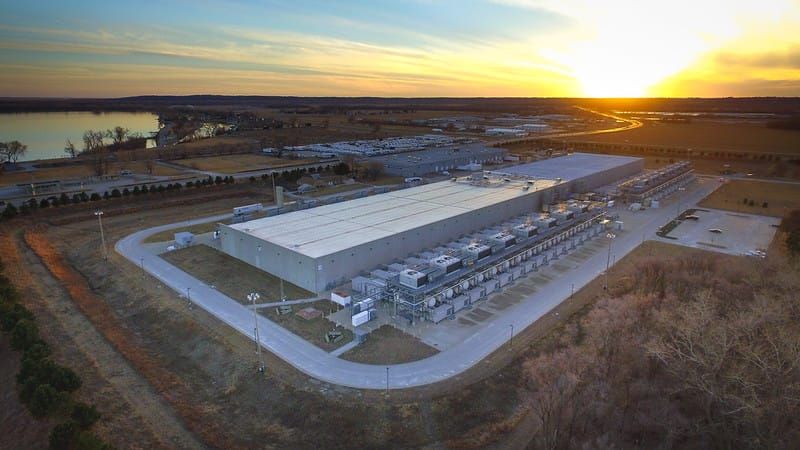
The Mendocino County Board of Supervisors unanimously adopted an urgency ordinance Tuesday imposing a 45-day moratorium on new data center uses in unincorporated areas of the county.
The board scheduled a public hearing for Oct. 6, when supervisors could consider extending the moratorium for up to two years while the county develops permanent regulations governing data centers.
Deputy County Counsel Matthew Kiedrowski said the county code currently does not define or specifically regulate data centers. As a result, an application for such a facility could potentially be processed as a building permit without additional land-use review.
Under Government Code Section 65858, a four-fifths vote allows local governments to impose a 45-day interim freeze while developing permanent regulations. The ordinance passed 5-0.
Public commenters expressed both support for the moratorium and concern that permanent regulations could foreclose potentially beneficial data center projects.
Eileen Russell, representing Mendocino Redwood Company and Mendocino Forest Products, asked the board to consider potential beneficial uses, particularly the possibility of co-locating data centers with sawmills and using their waste heat to dry lumber.
Representatives of the Redwood Valley Municipal Advisory Council and the Willits Environmental Hub supported the moratorium and called for a longer period of study. Gizmo, speaking on behalf of the Redwood Valley MAC, relayed written support from Chair Dolly Riley. Ellen Drell of the Willits Environmental Center asked the board to add the potential loss of farmland and the county's climate goals to the ordinance's findings.
Drell also asked supervisors to narrow an exemption for public safety uses, arguing that broad language could provide a loophole for surveillance-focused operations.
Supervisor Ted Williams proposed inserting the word “local” before “public safety” to prevent outside surveillance operations from claiming the exemption.
Kiedrowski said the existing language — exempting “public safety, emergency communications, or emergency operations facilities” — would reasonably be interpreted as applying to county agencies. He said, however, that the board could tighten the language when it considers extending the moratorium in October.
Anna Stockel, who called into the meeting, opposed the moratorium. She argued that data centers are effectively factories and should be regulated in the same manner. She also questioned whether an urgency ordinance was justified when there was no pending application for a data center.
Another caller, Rex Gresset, said he initially suspected the ordinance was intended to facilitate data centers by creating new regulations for them. After hearing the board's discussion, however, he said he was less concerned.
The board adopted the ordinance as drafted. Supervisor John Haschak said additional findings related to farmland and climate could be considered at the Oct. 6 hearing. Williams also invited Mendocino Forest Products to participate in developing the county's long-term data center regulations.