
State Forest Management Overhaul Awaits Newsom's Consideration
California would overhaul how it manages — and logs — its 14 demonstration state forests, including Mendocino County's Jackson Demonstration State Forest, under a bill that cleared the Legislature on Aug. 27 and now heads to Gov. Gavin Newsom's desk for approval or veto.
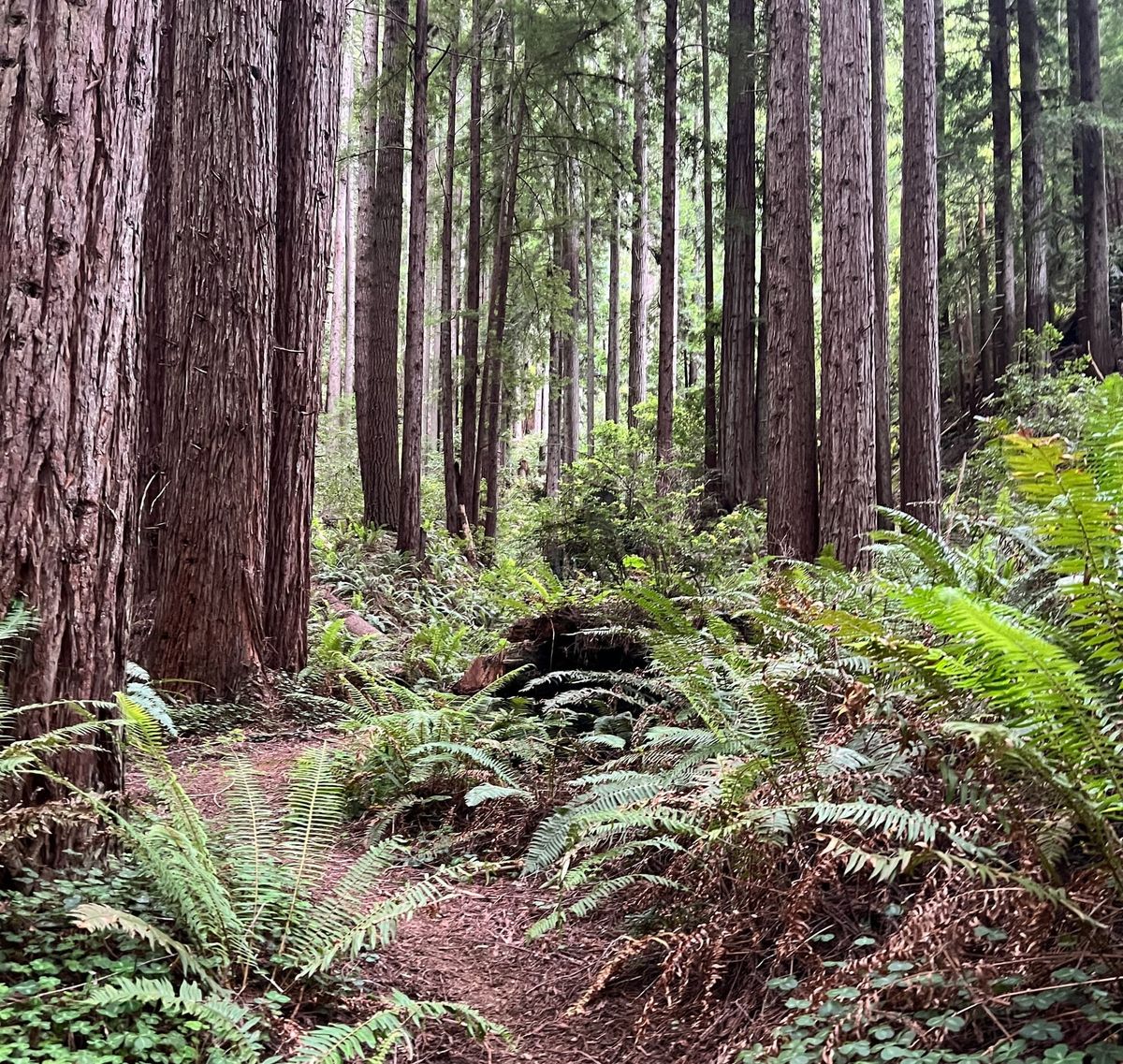
California would overhaul how it manages — and logs — its 14 demonstration state forests, including Mendocino County's Jackson Demonstration State Forest, under a bill that cleared the Legislature on Aug. 27 and now heads to Gov. Gavin Newsom's desk for approval or veto.
Assembly Bill 2494, by Assemblymember Chris Rogers, D-Santa Rosa, would replace a decades-old mandate to manage the forests for "maximum sustained production of high-quality forest products" with a broader set of goals — biodiversity, carbon storage, wildfire resilience, recreation and research — while still allowing timber sales under the new priorities.
Rogers's 2nd Assembly District contains two of the state's 14 demonstration forests: Jackson, the largest, which stretches between Fort Bragg and Willits, and the Ellen Pickett State Forest in Trinity County. Sen. Mike McGuire, D-Healdsburg, whose district also covers Mendocino County, is a coauthor, as are Assemblymembers Damon Connolly and Rick Chavez Zbur. Jackson has been the site of years of conflict over logging.
AB 2494 would redefine "management" of the demonstration forests as the handling of "forest vegetation, water, and soils" for "public benefits," described in the bill to include watershed health and wildfire resilience. The current law defines management around "maximum sustained production of high-quality forest products."
The bill would also reshape when timber can be cut. It would authorize harvesting within the demonstration forest system only "if in furtherance of specified objectives," and would allow research on forest land that informs biodiversity, carbon storage, habitat, water and soil quality, watershed health, and tribal stewardship.
It would also modify the state's authority to allow mining on forest land. The initial version introduced by Rogers contained a full repeal, but a May 18 Assembly amendment restored a narrower exception. The final bill permits surface mining for forest-related and restoration work such as building watercourse crossings.
Rogers has framed the measure as moving the demonstration forests away from relying solely on timber harvesting to manage them — principles his office says have not been updated in decades — while still allowing timber sales under the new priorities. "AB 2494 gets demonstration state forests back on track to meet climate goals and mitigate fire risks," Rogers said in a statement after the bill's final passage. "This bill aligns with Governor Newsom's 30x30 conservation framework and prioritizes the environment, recreation, and scientific research as the main focuses for these incredible and precious demonstration state forests."
For the Soquel Demonstration State Forest in Santa Cruz County, the bill would shift the state's stated policy from establishing "an intensively managed" research forest to establishing and conserving the forest.
The bill would require CAL FIRE's annual report to the Legislature to count the number of timber harvest plans approved each year and the median time to review them, replacing a current requirement to report plans reviewed and the average review time.
Between its February introduction and the current version, the bill dropped an earlier provision that would have diverted all recreational user fees and timber-sale revenue from demonstration forests into the Timber Regulation and Forest Restoration Fund. The amended bill instead keeps that money in the existing Forest Resources Improvement Fund and lifts a cap that had barred CAL FIRE from charging camping fees above the cost of maintaining the campgrounds.
The Assembly first passed AB 2494 on May 26 on a 58-20 vote, and the Senate passed the amended bill 29-10 on Aug. 26. The Assembly concurred in the Senate's amendments on Aug. 27, 58-19, sending the measure to Newsom, who has until Sept. 30 to sign or veto it.
Ted Williams, a Mendocino County supervisor, tied the measure to the county's rural economy in a statement released by EPIC, the bill's sponsor. "Rural economies have long been built on resource extraction, a model with a ceiling that keeps getting lower," Williams said. "AB 2494 offers something bolder: pursuing the highest and best use of our forests for the benefit of all Californians, while creating real, diversified economic opportunities that support greater self-sufficiency in rural communities. It keeps our existing forest workforce employed with more stable funding, while expanding research to meet the urgency of climate change."