
State Senate Panel Advances Forest Management Bill
AB 2494 now moves to the Senate Appropriations Committee
Correction: The story was updated to reflect the fact that Assemblymembers Rodriquez and Muratsuchi were not present for the vote. We originally reported that they abstained, which was incorrect. (July 3, 2026, 3:23 p.m.)
A California Senate committee passed a bill Wednesday that would shift the primary management goal of state-owned forests from commercial logging to ecological restoration and climate resilience.
The Senate Standing Committee on Natural Resources and Water approved Assembly Bill 2494 in a 5–2 vote on July 1, 2026, over the objections of timber industry advocates and some researchers who warned it could impede their work.
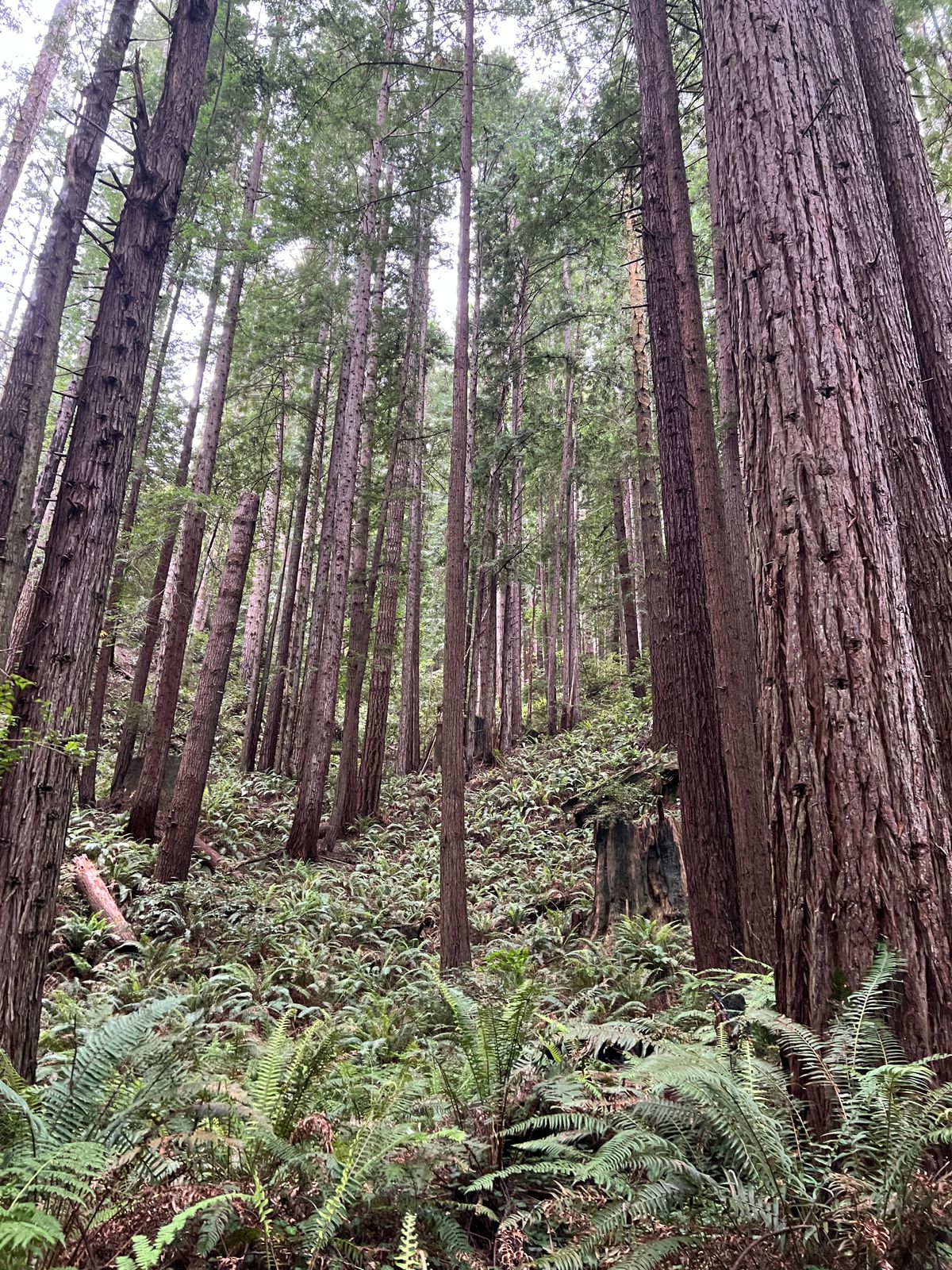
The legislation, targets the state’s 14 demonstration forests, which encompass approximately 85,000 acres. Assemblymember Chris Rogers (D-Santa Rosa) authored the bill. It was approved in the Assembly on May 26, 2026 in a 58-20 vote with Democratic support and all members voting along partisan lines. Two Democrats were not present: Celeste Rodriguez, from District 43, just north of Hollywood Studios, and Al Muratsuchi, from District 63, centered in Torrance, CA.
If enacted, the bill would repeal a decades-old mandate requiring these lands to be managed for “maximum sustained production” of high-quality timber. Instead, the state would prioritize biodiversity conservation, wildfire resilience, and carbon sequestration.
During the hearing, much of the discussion centered on whether the policy shift would harm private timber companies that rely on state research or local sawmills that purchase state timber.
Senator John Laird (D-Santa Cruz) pressed Rogers on the opposition from sustainable timber firms in his own district. Laird noted that while the bill applies only to public lands, companies like Big Creek Lumber remained concerned about the changes.
“The sustainable ones seem to be opposed, which sort of implies that the sustainable ones are threatened by something in your bill,” Laird said in remarks captured by CalMatters Digital Democracy database.
Rogers responded that the bill was intended to ensure the public has a voice in managing public land, elevating values like recreation and conservation from “nice-to-haves” to legal mandates. He emphasized that the bill does not prohibit timber harvesting, but ensures that logging is a tool for ecological goals rather than a driver for revenue.
Laird, who ultimately voted in favor of the bill, admitted he initially thought Rogers was “crazy” for tackling such a historically contentious issue in California’s “timber wars”. He urged Rogers to continue working with local stakeholders, particularly those near the Soquel Demonstration State Forest, who feared the bill was too tailored to the larger Jackson Demonstration State Forest in Mendocino County.
The bill also introduces a framework for tribal co-management, authorizing the state to integrate traditional ecological knowledge into forest stewardship. Buffie Campbell, executive director of the InterTribal Sinkyone Wilderness Council, testified that the bill represents a step toward reparations for the removal of Native people from their ancestral homelands.
Opponents, including Matt Dias of Calforests, argued that the current management system has already achieved exemplary forest conditions through seven decades of sustained management. Other critics, such as forest researcher Sarah Bisbing, expressed concern that the new definitions would hinder critical research. “Experimenting with techniques to maintain forests requires us to cut some trees,” Bisbing said.
The bill now moves to the Senate Appropriations Committee. Voting in favor were Democratic Senators Benjamin Allen, John Laird, Christopher Cabaldon, Henry Stern, and Josh Becker. Republican Senators Shannon Grove and Kelly Seyarto voted in opposition.