
The Mendocino County Board of Supervisors voted Tuesday to move forward with plans to place a 1-cent sales tax measure on the November ballot.
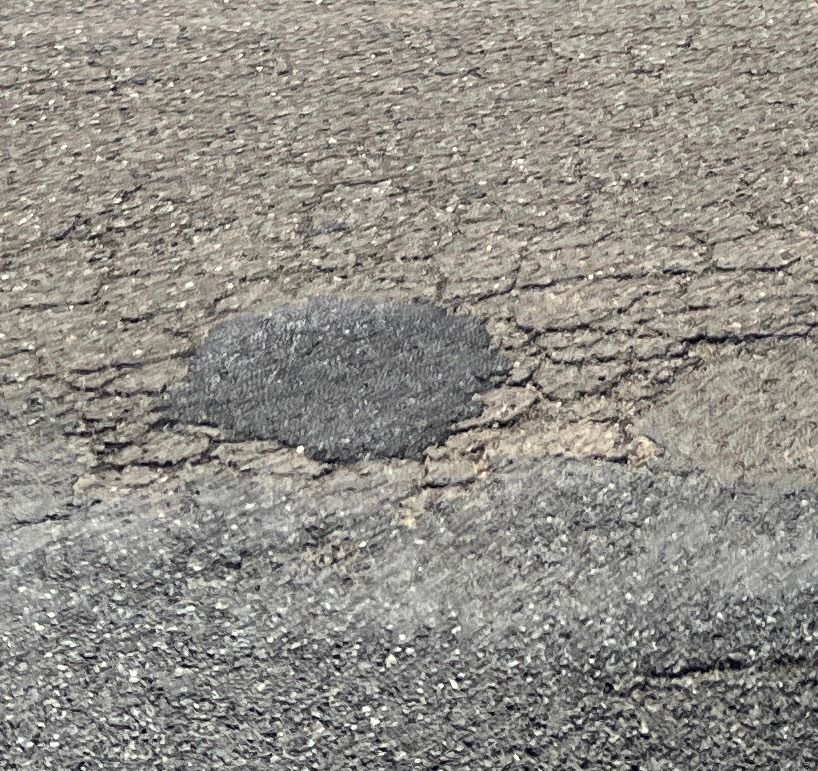
If approved by voters, the measure would generate an estimated $5 million to $6 million annually for maintenance of county roads. Revenue would be legally restricted to road maintenance, and the tax would sunset after 20 years.
The proposal would apply only in the county’s unincorporated areas and would not apply within incorporated cities such as Ukiah and Fort Bragg. County officials said the tax would fund maintenance of county-maintained collectors and connectors, which are used by residents and visitors throughout the county, including city residents.
The board approved moving forward with the measure on a 4-1 vote.
Supervisors did not discuss how or whether the measure would address maintenance needs for residential roads in unincorporated areas that are privately maintained by residents — in contrast to city residents who enjoy roads that are maintained by their municipality.
Supervisor Madeline Cline, the lone dissenting vote, questioned whether voters in unincorporated areas would support the tax.
“There has not been any track record of improving their roads,” Cline said of her constituents. “So for them, they’re not invested and bought into an idea like this.”
Supervisor Ted Williams, who represents the 5th District, said his district “wants better roads.” But many residents in rural parts of the county maintain private roads at their own expense, sometimes trading off poor road conditions for increased vehicle repair costs.
The measure does not address these residential roads, though it targets the unincorporated parts of the county.
Polling conducted by the Oakland-based consulting firm FM3 was cited in support of the proposal. According to the survey of 660 people, about two-thirds of likely voters said they would support a tax to improve unspecified local roads in the county.
The poll did not distinguish between the roughly 337 miles of roads that would be maintained by the county as a result of the tax, minor county roads whose maintenance is not addressed by the tax, and other roads that are privately maintained by residents.
Survey language presented to voters described the measure as one that would “maintain and improve deteriorating roads, permanently resurface potholes, and improve safety on local roads in the unincorporated areas of the county.”
During the public comment period, Dave Shpak, a member of the Gualala Municipal Advisory Council, raised questions about how the revenue would be allocated.
Shpak asked whether the funding would address differences in road maintenance needs across geographic areas and whether voters would see improvements on roads they regularly use.
He said rural areas with limited road networks often concentrate traffic on a small number of routes, which can accelerate wear and shorten road life cycles.
“If you really want taxpayers throughout the county to support this measure, then please consider a more thoughtful, realistic, and equitable allocation of revenues contributed by those taxpayers,” Shpak said.