
From Cannabis to Campgrounds: How California’s New Private Camping Law Can Revive Mendocino’s Land Market
A New Era for Rural Landowners

California is quietly rewriting the rules for how rural property can be used — and for many in Mendocino County, it’s a long-awaited second chance. A new state law and proposed changes to county code will allow private landowners to host low-impact camping, glamping, and RV accommodations with fewer barriers than before.
For a region still reeling from the collapse of the cannabis economy, this shift is nothing short of transformative. Former cultivation sites — many with road access, water systems, solar infrastructure, and flat clearings — are suddenly being reimagined not as failed farms, but as future destinations.


The Post-Cannabis Landscape
Mendocino County is full of former cannabis properties selling for 50–80% below their 2019 values. Once-thriving farms in places like Laytonville, Covelo, and Willits are now quiet, overgrown, and listed for a fraction of their former worth.
But while the cannabis dream faded, these properties still have something priceless: acreage, privacy, and proximity to California’s natural beauty. A new “camping on private lands” ordinance will make it possible to legally invite guests to share that beauty — without the exhaustive commercial campground permitting once required.
What the New Law Allows
Assembly Bill 518, signed into law on October 1, 2025 by Governor Gavin Newsom, is designed to support rural tourism and economic recovery. It will soon to be reflected in Mendocino County’s evolving land use code. While details will vary by parcel and zoning, new rules generally allow:
- Small-scale campgrounds on qualifying parcels, often with simplified or ministerial permits.
- Temporary and semi-permanent structures, including yurts, canvas tents, and tiny cabins.
- Eco-friendly “glamping” operations with renewable energy and low-impact infrastructure.
- Farm stays and recreation-based lodging that complement existing agricultural uses.
The state’s goal is to boost outdoor recreation access while giving rural landowners a viable alternative income source. For many, that means the chance to turn financial hardship into hospitality success.
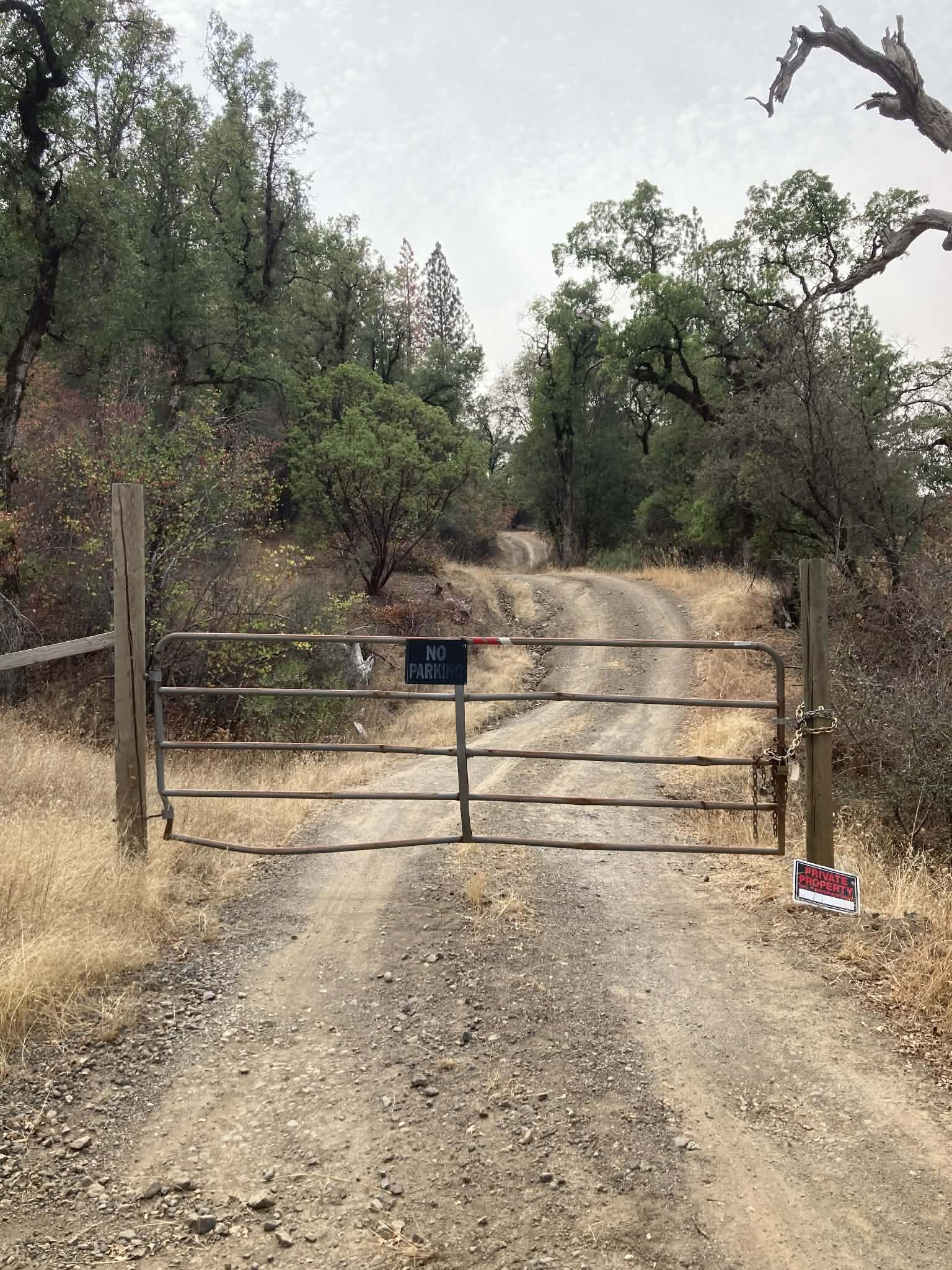
Why County-Maintained Dirt Roads Matter
One of the most important details in Mendocino County’s evolving camping ordinance is where these new uses will be allowed. Many rural properties — especially former cannabis farms — are located on county-maintained dirt roads, not paved ones. These roads have historically served residential, agricultural, and commercial uses, and they provide safe, reliable access for emergency services, utility vehicles, school buses, and year-round residents.
Restricting private camping operations only to paved roads would exclude the majority of eligible parcels in areas like Laytonville, Leggett, Covelo, and Branscomb. It would also undermine the very purpose of the ordinance: revitalizing rural land and supporting economic recovery. Including county-maintained dirt roads ensures fairness, accessibility, and a realistic pathway for struggling landowners to convert failed cannabis properties into legitimate, regulated, revenue-generating businesses. Allowing camping on these county-maintained dirt roads aligns with California’s rural tourism goals while still protecting safety and environmental standards.
From Farmers to Hosts
The same qualities that once made a property perfect for cannabis — remoteness, water access, sunlight, and cleared pads — make it ideal for camping and retreats.
Former growers are now exploring conversions like:
- Wellness retreats with yoga, sound baths, or forest bathing.
- Boutique campgrounds that cater to Bay Area visitors seeking weekend escapes.
- Event and festival grounds using existing roads and clearings.
- Educational farm stays that reconnect visitors with the land.
- Off-grid ecolodges powered by solar and rainwater catchment.
And with property prices still deeply discounted, new buyers are snapping up land with built-in infrastructure and turning it into revenue-generating escapes.
Navigating the Transition
Of course, these opportunities come with red tape. Old abatements, liens, and unpermitted work still follow many properties from their cannabis pasts. Before launching any new venture, it’s critical to:
- Research the property’s regulatory history. Know what violations or liens exist.
- Consult Mendocino County Planning & Building on new camping allowances and parcel eligibility.
- Develop a compliance and permit strategy that aligns with the latest ordinances.
- Budget realistically for cleanup, upgrades, and environmental review if needed.
Once-in-a-Generation Opening
The cannabis era transformed Mendocino County’s landscape — but now, a new chapter is unfolding. The combination of low land prices and favorable camping ordinances means rural California is poised for revival through recreation and restoration.
If you’ve ever dreamed of owning a retreat center, nature resort, or boutique campground, there has never been a better time.