
Fort Bragg Weighs New Tourism Marketing Model With $680,000 Budget
Business leaders suggest tourism dollars can work "harder and smarter"
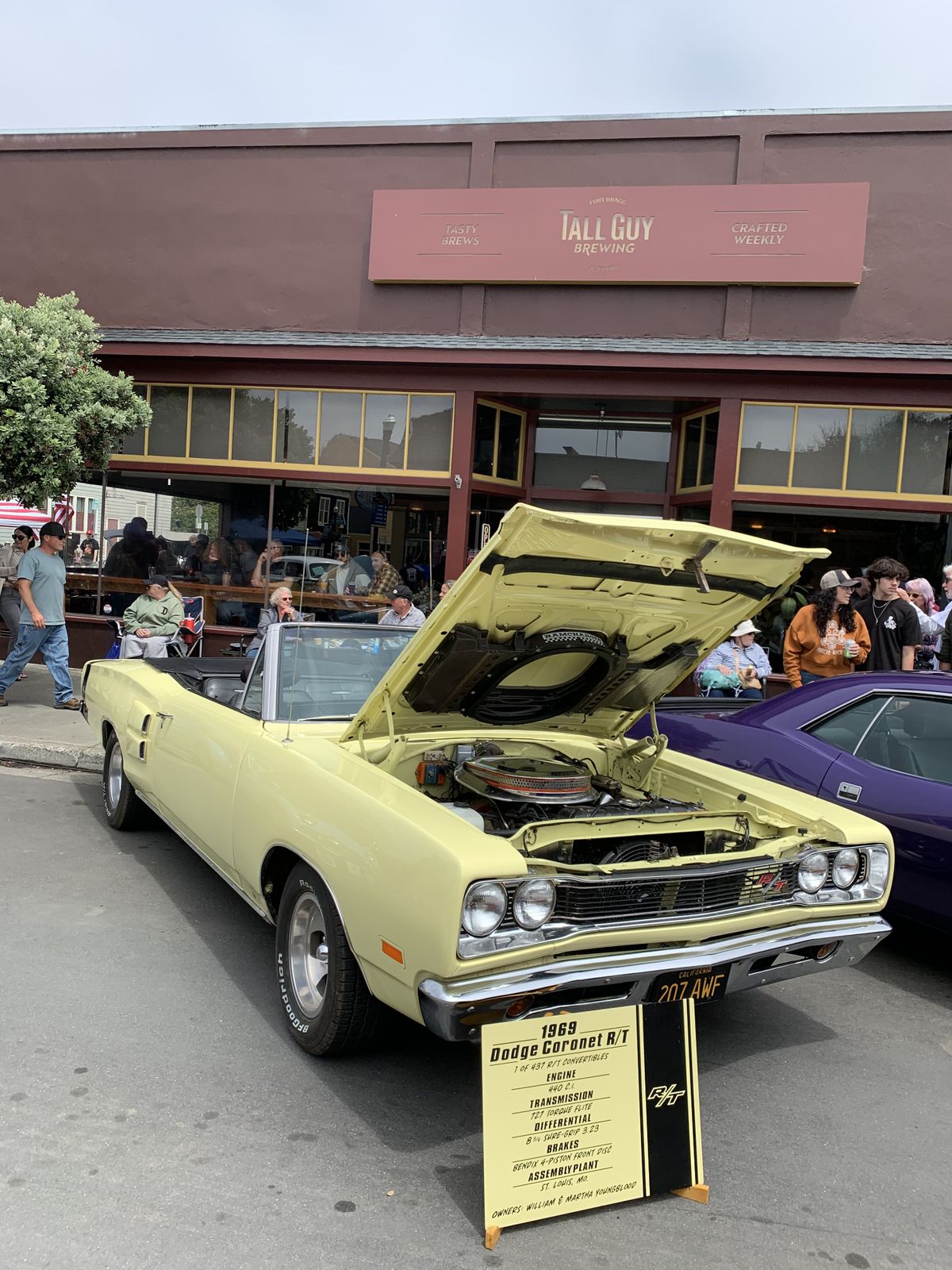
Local officials and business leaders are weighing a significant overhaul of how Fort Bragg promotes itself to the world, debating a transition from a city-led advisory model to an independent Destination Marketing Organization (DMO).
John Glidewell, regional manager of Beachcomber Hotel Group and a board member of Visit Mendocino County, said the new organization would be headed by an executive director with a budget of $680,000. “We’ll have an accountable owner in a single professional who is responsible for Fort Bragg’s visitor economy rather than priorities spread across committees, consultants, and part-time staff,” Glidewell said during a June 15 presentation to the Visit Fort Bragg Committee.
The DMO would receive $380,000 from the City of Fort Bragg — a $35,000 increase over the city’s current tourism budget — with the balance coming from Visit Mendocino County, the county’s official tourism organization. The expanded budget would prioritize paid media as the primary engine for driving overnight stays, alongside significant investments in visitor experience.
“I think that there’s a lot more potential for visitation, for the economy, for jobs,” said Scott Schneider, interim executive director of Visit Mendocino County and general manager of the Noyo Harbor Inn in Fort Bragg. “Our occupancy is not nearly where we want it to be annually. I know retail stores aren’t as busy as they want to be. Restaurants aren’t as busy as they want to be. There’s a lot of potential to bring in visitors, especially in the shoulder season.”
The proposal comes as the travel industry faces steep hurdles in tracking the effectiveness of digital spending. Industry data indicates that while travelers visit an average of 38 websites before booking, linking a “digital click” to a physical hotel check-in remains structurally difficult. Furthermore, customer acquisition costs in the travel sector rose approximately 35 percent between 2022 and 2025, far outpacing the growth in visitor lifetime value.
To address these challenges, Glidewell proposed anchoring success on measurable metrics such as occupancy data, Transient Occupancy Tax (TOT) growth, and visitor satisfaction. Currently, Fort Bragg’s TOT revenue has surpassed sales tax as the largest general fund source, reaching over $3.2 million.
While business leaders like Schneider emphasized that tourism investments could “work harder and smarter,” Councilmember Lindy Peters urged the committee not to lose focus on the residents. Peters highlighted the historical reason for the committee’s creation: to ensure funds were spent specifically on promoting Fort Bragg rather than being absorbed by broader regional efforts.
“Have we promoted CV Star to its fullest potential?” he asked. “I do not think so. Have we promoted the guest house to its potential? I do not think so. The Noyo Center? I do not think so.”
Committee member Barb Bruce noted that the current contract with the city’s marketing firm, The Idea Cooperative, was set to end in just two weeks. She felt it was risky to decide on a new organizational structure so close to that deadline, noting that a similar situation the previous year had been “messy.”
The committee reached a consensus to delay a formal recommendation to the City Council. Instead, staff will conduct a survey of committee members to refine long-term goals and return for a dedicated meeting to finalize a strategic direction. In the interim, the city plans to move forward with a projected $20,000 increase to the existing “Visit Fort Bragg” budget for the upcoming fiscal year.