
Federal officials cite potential buyer for Potter Valley Project as local stakeholders raise questions
Congressman Jared Huffman calls plan "a massive water grab"
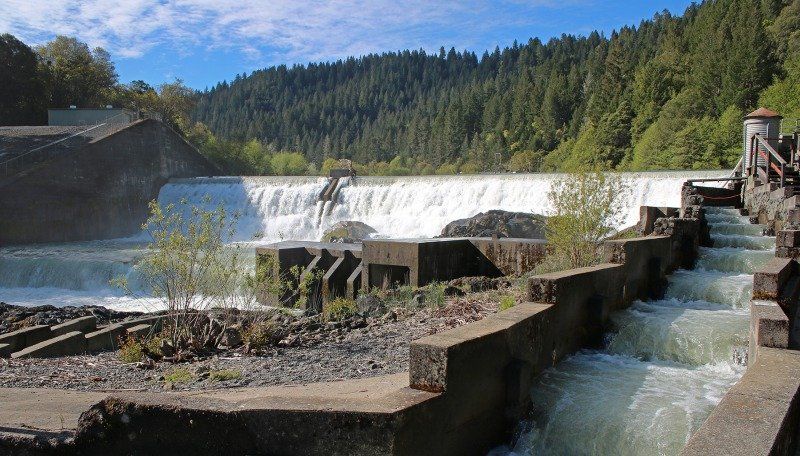
Federal officials say a Southern California water district has expressed interest in acquiring the Potter Valley Project, a hydroelectric and water diversion system that Pacific Gas & Electric Co. is in the process of decommissioning, according to reporting by The Press Democrat and the Times Standard.
U.S. Agriculture Secretary Brooke Rollins said on X that the Elsinore Valley Municipal Water District has indicated it may seek to purchase the project. The district serves customers in Riverside County and relies heavily on imported water. No formal proposal has been submitted, according to PG&E.
The Potter Valley Project includes Scott Dam, which forms Lake Pillsbury, and Cape Horn Dam on the Eel River. PG&E has pursued decommissioning after years of financial losses and unsuccessful efforts to transfer ownership. A plan filed with the Federal Energy Regulatory Commission (FERC) calls for removing the dams and allowing a new, locally managed water diversion system to be developed by a coalition of regional agencies and tribes.
Under current regulatory conditions, the project’s hydropower license cannot be transferred. However, another entity could potentially acquire and operate portions of the infrastructure, subject to federal approval and additional permitting requirements.
The announcement of a potential outside buyer prompted a range of responses from North Coast stakeholders. Jared Huffman condemned the plans and said he is seeking more information from federal agencies and the water district about the scope of any proposal. Local agencies and tribal representatives emphasized the importance of maintaining regional involvement in decisions about the project and water supply.
Representatives of the Round Valley Indian Tribes and the Mendocino Inland Water and Power Commission reiterated support for the current plan to remove the dams and develop a “two-basin” solution that balances water supply needs with river restoration.
Environmental groups and project partners noted that the facilities are more than a century old, face regulatory and seismic challenges, and would require significant investment to continue operating. Some also questioned the feasibility of transferring water from the project to Southern California, given existing infrastructure constraints.
PG&E said it remains open to reviewing any proposals but confirmed that, to date, it has received only one formal plan—from a coalition of local and regional stakeholders working on the decommissioning and replacement strategy.
Federal regulators have not received any new filings related to a potential transfer. Any changes to the current decommissioning plan would require review and approval by FERC.