
Complaints Mount Over Neglected Vineyards as Mendocino Wine Industry Faces Intensifying Economic Pressure
"“We’re dealing with an industry that’s becoming like a falling knife."
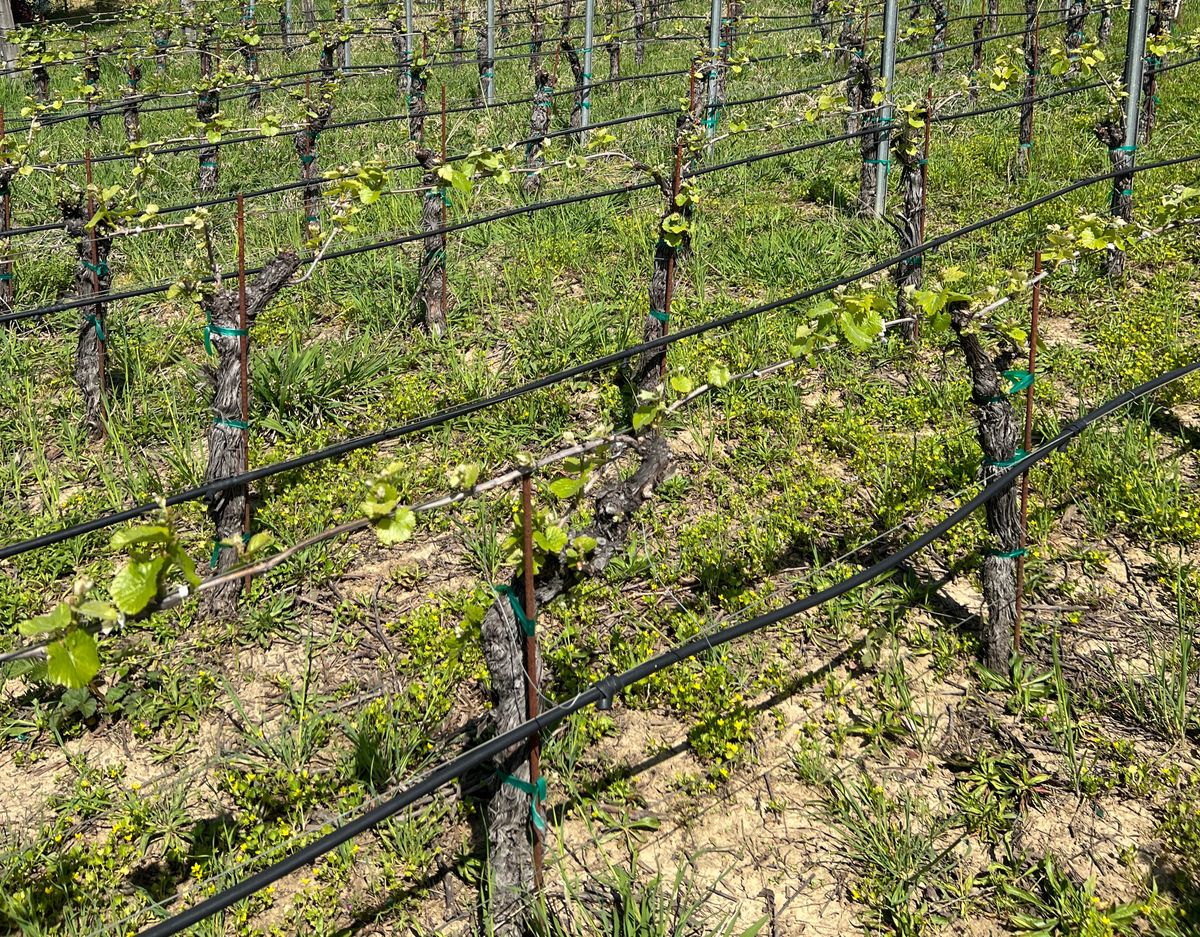
The Mendocino County Board of Supervisors on Tuesday directed the county agricultural commissioner to begin enforcing minimum maintenance standards for vineyards following growing concerns that neglected and abandoned properties are spreading pests and disease to neighboring farms.
During a presentation to the board, Mendocino County Agricultural Commissioner Angela Godwin told supervisors her office has received at least 10 complaints in recent months involving vineyards that are no longer being adequately maintained.
While she characterized complaints as informal, Godwin said the problem appears to be worsening as the California wine industry contracts and grape prices continue to fall.
“Despite having high-quality grapes this last harvest, many were left on the vines because there just wasn’t a market for them,” Godwin told the board. “Depending on what happens with the market this next season we may see even more neglected vineyards.”
Godwin said abandoned or poorly maintained vineyards can quickly become reservoirs for pests and diseases that threaten neighboring vineyards still attempting to remain economically viable.
Among the primary concerns are powdery mildew, botrytis rot, grapevine viruses, mealybugs, leafhoppers and sharpshooters capable of spreading Pierce’s disease.
“These diseases can spread rapidly from neglected blocks to productive vineyards,” she said. “They impact yield, grape quality and even neighboring growers’ ability to obtain crop insurance.”
The discussion highlighted the increasing economic strain facing Mendocino County’s wine industry,
Growers described an industry squeezed by declining wine consumption, oversupply, rising production costs, and shrinking markets.
Several speakers warned supervisors that growers still operating profitably are under mounting pressure from neighboring vineyards that have effectively been abandoned.
“This is definitely a dire situation,” said local grape grower Stephen Amato during public comment. “We’re dealing with an industry that’s becoming like a falling knife that no one wants to grab while it’s going down like this.”
Amato said he has spent years increasing pesticide applications and taking additional precautions because an adjacent vineyard has not been maintained.
“I’ve had to go for extra sprays, always taking extra precautions,” he said. “But some of these folks just don’t have the funds to do this anymore. They’re going bankrupt.”
Lorenzo Pacini, who works in vinyard management, urged the county to move quickly, arguing that other wine-producing counties have already implemented enforcement procedures tied to Assembly Bill 732, a state law that took effect in January.
The legislation was originally developed in response to abandoned almond orchards in the Central Valley but also applies to vineyards. It authorizes agricultural commissioners to levy civil penalties of up to $500 per acre — increasing to $1,000 per acre after 45 days without good-faith efforts to address problems — when neglected agricultural land creates pest risks for neighboring farms.
Pacini said Mendocino County risks harming one of its last major economic sectors if it delays enforcement. “For us to look a gift horse in the mouth and say this is not the overwhelming priority from a GDP standpoint in the county is dangerous,” he said.
Godwin emphasized repeatedly that her department hopes to rely primarily on education, outreach and voluntary compliance rather than penalties.
“I really don’t want to use enforcement unless we have to,” she said. “The last thing — it’s a difficult situation. I’m not looking forward to really being in the middle of it.”
The commissioner said some vineyard owners have already begun maintenance work or removed vines after learning the county was considering enforcement action.
Godwin also noted that Mendocino County already possesses nuisance-abatement authority through existing county code provisions and may use a combination of local enforcement tools alongside AB 732.
The board ultimately voted unanimously to direct Godwin to enforce minimum vineyard maintenance and pest-control standards using existing legal authority and available staffing resources, while working with the county executive office to develop procedures.
Supervisor Ted Williams said the county should align itself with practices already being used elsewhere in California wine country.
“I haven’t heard any industry objection,” Williams said. “I’ve only heard people in the industry saying this needs to happen in order to protect those that are still operating.”
Godwin warned supervisors the issue is unlikely to disappear soon.
“It is becoming a bigger issue,” she said. “And it’s not going away.”