
By Mike Geniella
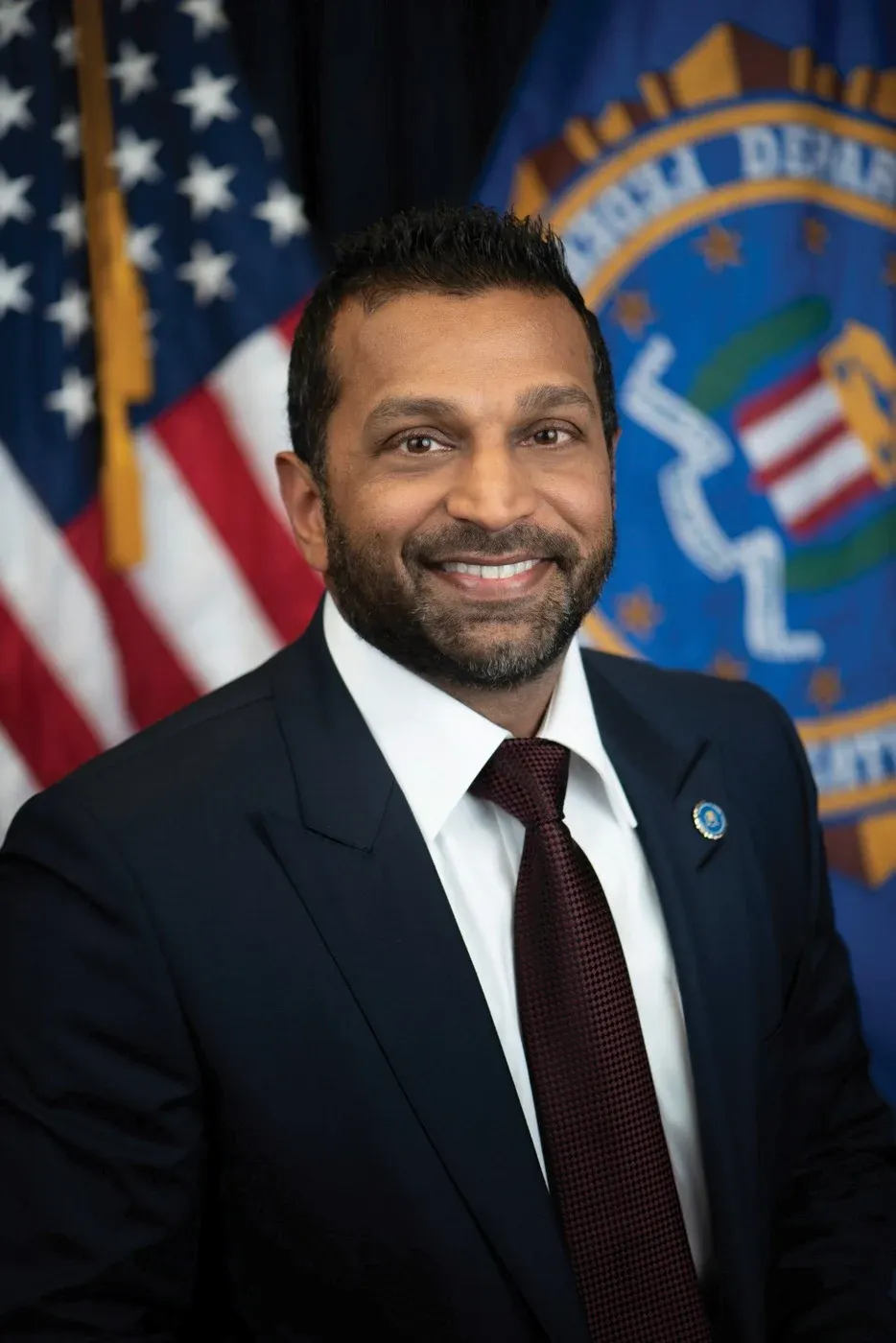
FBI Director Kash Patel is rekindling a dangerous and ugly history surrounding the nation’s top law enforcement agency.
It is outrageous that Patel is using the agency to intimidate a reporter for The Atlantic magazine who reported earlier this week on his behavior on and off the job. I find it chilling to read how the FBI, under Trump, has returned to the days of agents harassing the press, infiltrating any group that questions government policies, and tracking the private lives of critics everywhere.
Years ago, I had an up-close brush with that FBI mentality.
In my case, I learned about a secret FBI memo that was distributed in 1990, targeting my role as a journalist. It had been circulated among top brass, including former FBI Director William Sessions.
The memo was written by the FBI’s Richard Held, who oversaw its San Francisco office. The Bay Area was a hotbed of protests, activists, and political groups, and Held had people everywhere as informants. A Washington Post article once cited Held’s use of “dirty tricks” and spying against alleged political radicals in the 1960s and early seventies.
In the memo, Held’s office wanted to know whether it should take their concerns about “Subject: Mike Geniella” to the New York Times, then the owner of The Press Democrat, or to the local publisher. Their concerns included the reporter’s alleged attempt to cast the agency in a bad light in reporting on Earth First! related prosecutions in Arizona and Montana.
The FBI memo was circulated 35 days before I was accused by local PD editors of creating “the possibility of a perceived bias” after I agreed to an interview by a freelance writer who, in turn, allowed the Anderson Valley Advertiser to publish her article. The AVA was at the time held in contempt by the editors, who did not consider the Boonville weekly “responsible journalism.”
I was removed from the timber beat at a time when logging-related issues were coming to a head. It was an action that drew immediate attention locally, and from outside news media and the Columbia Journalism Review.
At the time, I did not know of the secret FBI memo or its role in my banishment from covering timber issues. With the help of the San Francisco Newspaper Guild, I challenged my removal. I had refused to sign a statement written by the editors that I acknowledged creating the “possibility of a perceived bias.”
Three months later, after the statewide initiative Forest Forever was defeated at the polls, the editors relented, and I returned to writing about contentious logging practices on the North Coast.
Four years passed before I learned of the secret FBI memo that took issue with my reporting. It was written in August 1990 and distributed to the chain in the agency’s Washington, D.C. Headquarters to Sessions.
The document was uncovered during legal depositions in a civil rights violation lawsuit filed against the FBI by Earth First! Activists Judi Bari and Darryl Cherney. A federal jury on June 11, 2002, returned a verdict of $4.5 million at the end of a six-week trial in a federal court in Oakland. The jury found that six of the seven FBI and Oakland Police defendants framed the two activists. The jury declared 80 percent of the damage was for violation of their First Amendment rights to speak out and organize politically in defense of the environment.
For my part, I filed repeated Freedom of Information Act requests about the memo once it was uncovered. I tracked an FBI official in Washington, D.C. who managed such matters. He declared that the memo I described did not exist. I recall scoffing and telling him that while we were talking on the telephone, I held a copy of the official memo in my hand.
Editors, when confronted with that copy, contended that they were unaware of it, and that to their knowledge, no one at the Press Democrat or the NYT ever had been contacted by the FBI. A supervising editor suggested that the FBI was only looking for a ‘correction.’
I accepted the editors’ assurances despite misgivings. I had a mortgage payment to make and a family to support. My experience, however, lingers because I felt intimidation and the threat to my family’s well-being.
Lellani Clark, a writer for The Bohemian, a Sonoma County publication, addressed the issue in a 2012 article.
https://bohemian.com/judi-bari-the-fbi-and-the-press-democrat-reporter-mike-geniella-on-an-unsolved-case-1/